Breaking Down Barriers to Giving… Charity Enters Everyday Life with CHERRY
Despite growing public interest in charitable giving, actual participation rates remain below expectations. Key barriers preventing people from translating intention into action include a lack of trust in how donations are used and overly complex participation processes.
CHERRY was founded on the belief that this very structure needs to change. Recognizing low participation as an issue of accessibility and user experience, the company has focused on transforming donation from an act that requires deliberate decision-making into a natural, everyday behavior. At the same time, it has sought to strengthen trust by creating a system where the flow of donations can be clearly tracked and verified.
To achieve this, CHERRY introduced blockchain technology to record and trace the movement of funds. In addition, it has built an ecosystem where donations can occur seamlessly through everyday activities such as taking photos, walking, and using offline kiosks—eliminating the need for separate or complicated procedures. In an interview, CEO Lee Soo-jung explained that these efforts are aimed at laying the foundation for a sustainable culture of giving. We spoke with CEO Lee to learn more about CHERRY’s perspective on donation participation and the motivations behind its founding.

| What inspired the founding of CHERRY?
The company was established מתוך a recognition that structural limitations were preventing sustained participation. Across various charitable initiatives, one consistent challenge was that even meaningful projects struggled to secure funding. In South Korea, donation participation rates remain relatively low compared to income levels, often due to cumbersome processes or a lack of trust in fundraising organizations. Limited awareness of how to participate and restricted access points have also contributed to this issue. These observations became the direct catalyst for the platform’s creation.
“Donations should be made the moment the intention arises,” the company noted. To improve the existing structure, CHERRY concluded that a comprehensive redesign of the participation environment was necessary—one that enables donations to become a continuous, everyday action rather than a one-time event.
| How does CHERRY make donating easier and more natural?
CHERRY has streamlined the donation process so users can act immediately upon feeling the intent to give. By minimizing errors and eliminating unnecessary steps, the platform reduces drop-off points and ensures a seamless experience. The core philosophy is to make donating as simple and intuitive as online shopping.
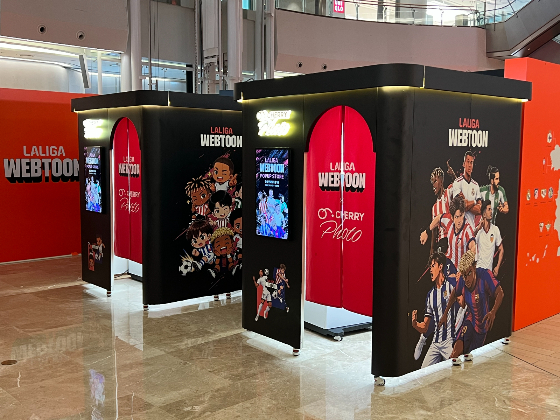
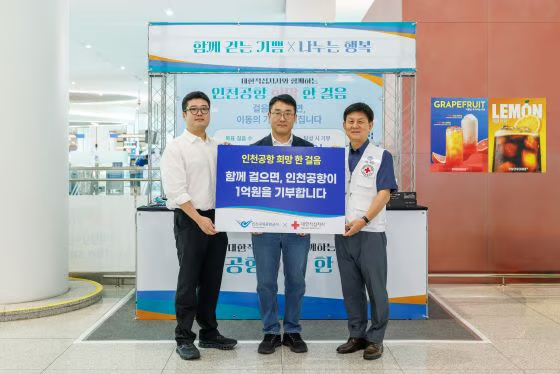
Services such as “Cherry Photo” allow users to contribute automatically when taking photos, while “Cherry Walk” connects physical activity, like walking, to donations. Offline, donation kiosks enable instant participation in places such as restaurants and event venues. By expanding touchpoints, CHERRY allows users to engage in giving beyond specific contexts, fostering continuous and varied experiences. This reflects CHERRY’s unique approach to embedding donations into daily life.
The platform has also strategically targeted Millennials and Gen Z, groups traditionally underrepresented in the donation market. By prioritizing accessibility and user experience, CHERRY has built a service aligned with their behavioral patterns. As a result, these demographics now account for more than half of the platform’s users. The intuitive, low-friction structure helps shift the perception of donating from a burden to a natural choice.
| How is transparency in donation flows ensured?
Transparency is achieved through a blockchain-based system. When a user makes a payment, the donation is converted into tokens and transferred across the blockchain—from the user’s wallet, through the platform, to the recipient organization’s wallet. Each step is recorded, allowing the entire flow of funds to be verified. By leveraging blockchain’s resistance to tampering, CHERRY ensures the reliability of the entire process.
Fund disbursement is also automated based on predefined conditions. Using smart contracts, funds are released only when legal requirements—such as target amounts or campaign durations—are met. This minimizes human intervention while maintaining transparency. As a result, users can clearly see where their contributions are going.
| What are the company’s future directions in technology and the market?
CHERRY plans to expand its services by integrating AI technology alongside its existing blockchain infrastructure. By analyzing user behavior data, the platform aims to predict donation likelihood and preferences, enabling more personalized campaign management. This is expected to help fundraising organizations engage participants more efficiently while reducing unnecessary costs.
While the company initially focused on building a “transparent donation platform,” it is now shifting toward creating a model that is “easy and enjoyable to participate in.” Maintaining its technological foundation, CHERRY continues to prioritize user experience and diversify participation methods.
Looking ahead, the company aims to create a future where anyone can engage in charitable giving naturally in their daily lives. By continuously improving accessibility and expanding participation models, CHERRY seeks to broaden the foundation of donation culture and strengthen overall engagement in the market.